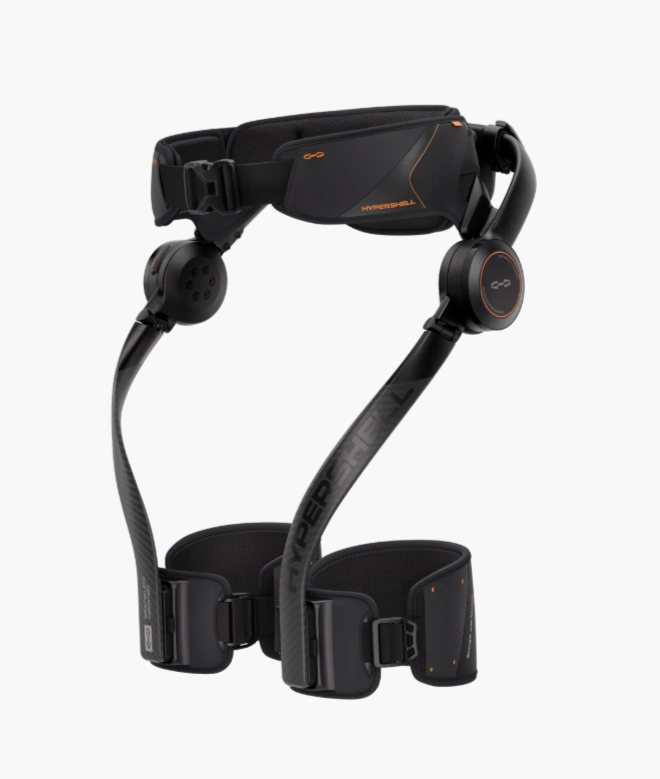
Executive Summary
Buy the Hypershell X Ultra S if steep hills, long approaches, heavy camera gear, or age-related fatigue are limiting outdoor trips you still want to take — and you are comfortable managing fit, batteries, an app, and a highly visible wearable frame. Skip it if your walks are mostly flat, you want medical-grade mobility support, or you expect a powered device to make every activity effortless.
The promise is real: robotic assistance can make climbing feel easier. The value question is far less settled.
Recent hands-on reviews describe the X Ultra S as the most natural-feeling consumer exoskeleton yet, with smoother AI-controlled assistance, strong uphill help, improved padding, and a relatively manageable 5.5-pound frame. The same testing also exposes the tradeoffs: high-power use drains batteries quickly, flat-ground benefit can feel unnecessary, running and cycling remain awkward, and backpack compatibility needs careful thought.
BEST FOR
The best buyer has a specific physical bottleneck — steep terrain, long outdoor days, heavy equipment, or reduced endurance — and can clearly explain what trips the exoskeleton would make possible.
- + Hikers who regularly face sustained climbs and descents
- + Outdoor photographers carrying moderate loads over uneven terrain
- + Older active adults who want help preserving range and confidence
- + Early adopters willing to learn fit, modes, charging, and power management
Skip If
The X Ultra S is easy to admire and easy to rationalize. That does not mean it belongs in every active household.
- Your routes are mostly flat, short, and already comfortable without assistance.
- You need a medically prescribed mobility device, fall-protection system, or rehabilitation product.
- You routinely wear a large framed backpack that may compete for the same hip and lower-back space.
- You dislike charging plans, app setup, firmware updates, visible straps, or learning new movement modes.
- You expect the quoted range to remain constant while using maximum assistance on steep terrain.
Price Reality Check
The Hypershell X Ultra S sits at the top of the consumer exoskeleton range at about $1,999. The lower X Pro S and X Max S models reduce the entry cost, while older X-series versions and competing systems may appear at meaningful sale prices.
At $1,999, this should unlock real trips — not just make ordinary walks feel futuristic.
The value case is strongest when the device extends a meaningful activity: hiking with family, reaching photography locations, handling elevation on travel days, or staying outdoors longer with less fatigue. It is weak when the main benefit is novelty, speed, or assistance you rarely need. Buyers should compare the flagship against lower Hypershell tiers before paying for maximum power and premium materials.
Deep Dive
HyperIntuition Assistance and 1,000-Watt Power
The biggest improvement is not simply more motor output. Hypershell's newer control system uses motion sensors and real-time adjustment to deliver assistance at a more natural point in the stride. Reviewers who tested earlier consumer exoskeletons describe the Ultra S as smoother, less intrusive, and more responsive when starting, stopping, and climbing.
The buyer question: do you need more power, or better-timed power?
- Assistance is most convincing on sustained inclines where leg effort is obvious.
- Automatic response reduces the feeling that the machine is fighting your stride.
- High-power modes can feel dramatic but accelerate battery drain.
- Flat-ground assistance may mostly offset the weight of the device itself.
Buyer takeaway: The Ultra S makes the most sense for terrain-specific help. Do not buy it solely because 1,000 watts sounds powerful.
Fit, Padding, and the Backpack Problem
Fit determines whether the exoskeleton feels like assistance or interference. The motors need to align correctly at the hips, straps need to stay secure without excessive pressure, and the carbon-fiber leg arms must move freely. Recent testers praise the improved padding and setup guidance, but large backpacks can press on the frame or cause the unit to shift.
The X Ultra S weighs about 5.5 pounds, which is light for powered robotics but still noticeable. A small daypack may coexist well; a framed expedition pack or heavy camera bag needs a real fit test.
Buyer takeaway: Test the exact clothing, pack, and load you intend to use. Comfort in a showroom is not the same as comfort three miles uphill.
Battery Range Versus Real Terrain
Published range figures can sound generous, but assistance level, incline, speed, temperature, user weight, and carried load all change the result. One recent review found that aggressive assistance on a forest walk produced a much shorter practical estimate than the headline range suggested.
- Eco settings can preserve energy during easier sections.
- Steep climbs and high torque consume battery much faster.
- A spare battery is useful only if you are willing to carry and manage it.
- Cold-weather packs may matter for buyers who hike in winter conditions.
Buyer takeaway: Plan the outing around conservative range, not best-case laboratory mileage.
Real-World Ownership Check
Owning a consumer exoskeleton means more than clipping it on. You need to charge batteries, update and understand the app, adjust the frame for clothing layers, choose the right assistance mode, and decide whether the device works with your pack and transportation routine.
- Setup: Expect app-guided fitting and several short walks before the alignment and assistance feel right.
- Charging: Treat batteries like essential trail equipment and verify both charge level and estimated range before leaving.
- Pack fit: Check whether your hip belt, lower pack frame, or camera bag presses against the motors or back structure.
- Visibility: This is conspicuous wearable machinery; self-conscious buyers should account for that honestly.
- Deal breaker: If you cannot identify a recurring hill, load, or endurance problem it solves, choose ordinary hiking gear instead.
What I Would Compare Next
The right comparison begins with the activity you are trying to preserve, not the most impressive motor specification.
- Hypershell X Pro S: Compare if you want the newer control system but do not need flagship materials or maximum power.
- Hypershell X Max S: Compare as the middle ground between price, torque, weight, and included battery capacity.
- DNSYS X1 or newer DNSYS models: Compare for competing fit, assistance behavior, battery strategy, and service support.
- Mo/Go powered hiking pants: Compare if integrated clothing and rental access appeal more than a visible external frame.
- Trekking poles, lighter pack, or e-bike access: Compare if your real problem can be solved more simply and cheaply.
Buyer Signal Analysis
The Hypershell X Ultra S deserves a closer buyer look because consumer exoskeletons are moving from trade-show curiosities toward products people can actually order, wear, and benefit from. Fresh testing supports the core claim that powered assistance can reduce perceived effort on hills. What remains unclear is how many buyers have a frequent enough use case to justify the price, battery management, fit compromises, and social visibility.
Buyer Confidence by Evidence Type
Assimilated Signal Sources
- ManufacturerHypershell positions the Ultra S around AI-timed assistance, high motor output, lightweight materials, multiple movement modes, and extended outdoor range.
- Professional reviewsFresh 2026 testing praises smoother assistance and hill performance while questioning flat-ground need, battery life, running comfort, and target audience.
- YouTube demosVideo is especially valuable for seeing stride behavior, sound, fitting, mode changes, slopes, and how conspicuous the frame looks in public.
- Amazon signalsDeal coverage and marketplace availability indicate growing consumer access, but mature long-term review volume remains limited.
- Owner discussionBuyer questions cluster around knee relief, backpack interference, realistic range, airline travel, sizing, returns, and whether lower-priced models are enough.
Unanswered Buyer Questions
QuietTrends read: The X Ultra S is no longer just a gimmick. It is a credible hill-assistance tool with a narrow but real buyer. The purchase becomes sensible only when you can name the outings it will restore, extend, or make possible.
OUR VERDICT
Compare First
Hypershell X Ultra S Exoskeleton
The X Ultra S provides genuinely useful assistance on hills and represents a major improvement in consumer exoskeleton refinement, but its $1,999 price, variable battery life, backpack conflicts, and uncertain everyday need make it a specialist purchase.
Final Buyer Guidance: Buy it if elevation or fatigue regularly prevents meaningful outdoor trips and the fit works with your gear. Compare the lower Hypershell models before choosing the flagship. Skip it if you mostly walk on flat ground, want clinical mobility support, or are buying for novelty and speed.